The history of human civilization is a story of energy. From the first controlled fire to the splitting of the atom, our progress has been defined by our ability to harness power. Yet, for all our technological leaps, we have often overlooked the most profound and elegant energy source of all: the quiet, ceaseless work of life itself, happening just beneath our feet.
We stand at the precipice of a new energy paradigm, one that moves beyond the brute force of fossil fuels and the intermittent nature of solar and wind. This new era is defined by Underground Energy Harvesting (UEH), a concept that sounds like science fiction but is, in fact, a profound realization of biological potential. It is the moment we stop seeing nature as a resource to be exploited and start seeing it as a partner in power generation.
Pisphere, a pioneer in this field, is not just introducing a new device; they are unveiling a hidden, living power grid that has been operating since the first plant took root. This technology, rooted in the principles of the Plant-Microbial Fuel Cell (Plant-MFC), taps into the surplus energy generated by plants during photosynthesis, converting it into stable, usable electricity—all without harming the plant or disrupting the ecosystem. This is the quiet revolution: the realization that the most sustainable energy source is the one that is already perfectly integrated into the cycle of life.
The Unseen Engine: Photosynthesis and the Rhizosphere
To understand Underground Energy Harvesting, we must first look beneath the soil surface, into the rhizosphere—the narrow region of soil directly influenced by root secretions and associated soil microorganisms. This is the engine room of the UEH system.
The process begins, as all life on Earth does, with the sun. Plants are nature’s master chemists, converting sunlight, water, and carbon dioxide into complex organic compounds—sugars—through photosynthesis. The plant uses most of this energy for its own growth and metabolism, but it is a generous organism. A significant portion of these sugars, sometimes up to 40% of the total fixed carbon, is exuded through the roots into the surrounding soil. These root exudates—a cocktail of organic acids, sugars, amino acids, and other compounds—are not waste; they are a deliberate offering, a form of biological currency used to cultivate a beneficial microbial community in the rhizosphere.
This microbial community is vast and complex, a bustling city of bacteria and fungi that perform essential services for the plant, such as nutrient cycling and disease protection. For Pisphere’s technology, this exchange is the key. The plant provides the fuel (the exudates), and the microbes act as the intermediaries, the tiny biological power stations that complete the circuit.
The brilliance of the Plant-MFC lies in its ability to intercept this natural energy flow. It does not require the plant to be destroyed or harvested; it simply captures the energy that the plant is already shedding into the soil. This is a fundamental distinction from biofuels, which require the destruction of biomass. Pisphere’s system is non-destructive, continuous, and symbiotic. It is, in essence, a gentle siphoning of the Earth’s natural, living battery.
Part I: The Plant-Microbial Fuel Cell (MFC) Deconstructed
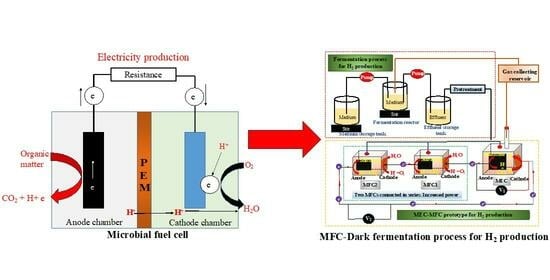
The core of Pisphere’s innovation is the Plant-Microbial Fuel Cell. It is an elegant piece of bio-engineering that transforms the chemical energy in root exudates into electrical energy.
A typical MFC is a bio-electrochemical system that harnesses the metabolic activity of microorganisms to generate electricity. In the Pisphere Plant-MFC, the system is buried in the soil near the plant’s roots. It consists of three primary components: the anode, the cathode, and the electrolyte (the soil and water).
The Anode Chamber (The Power Collector): The anode is placed directly in the rhizosphere. The electrochemically active bacteria in the soil, which have been feeding on the root exudates, oxidize these organic compounds. In this process, they release electrons and protons. The electrons are transferred to the anode, which acts as the negative terminal of the fuel cell.
The Microbial Catalyst: Pisphere’s technology is enhanced by the strategic use of specific microorganisms, notably Shewanella oneidensis MR-1. This bacterium is a champion of extracellular electron transfer (EET). Unlike many other microbes, S. oneidensis can efficiently “breathe” solid materials, transferring electrons directly onto the anode surface. This enhanced electron transfer is what boosts the efficiency and power output of the Pisphere system, turning a theoretical concept into a practical, 24/7 power source.
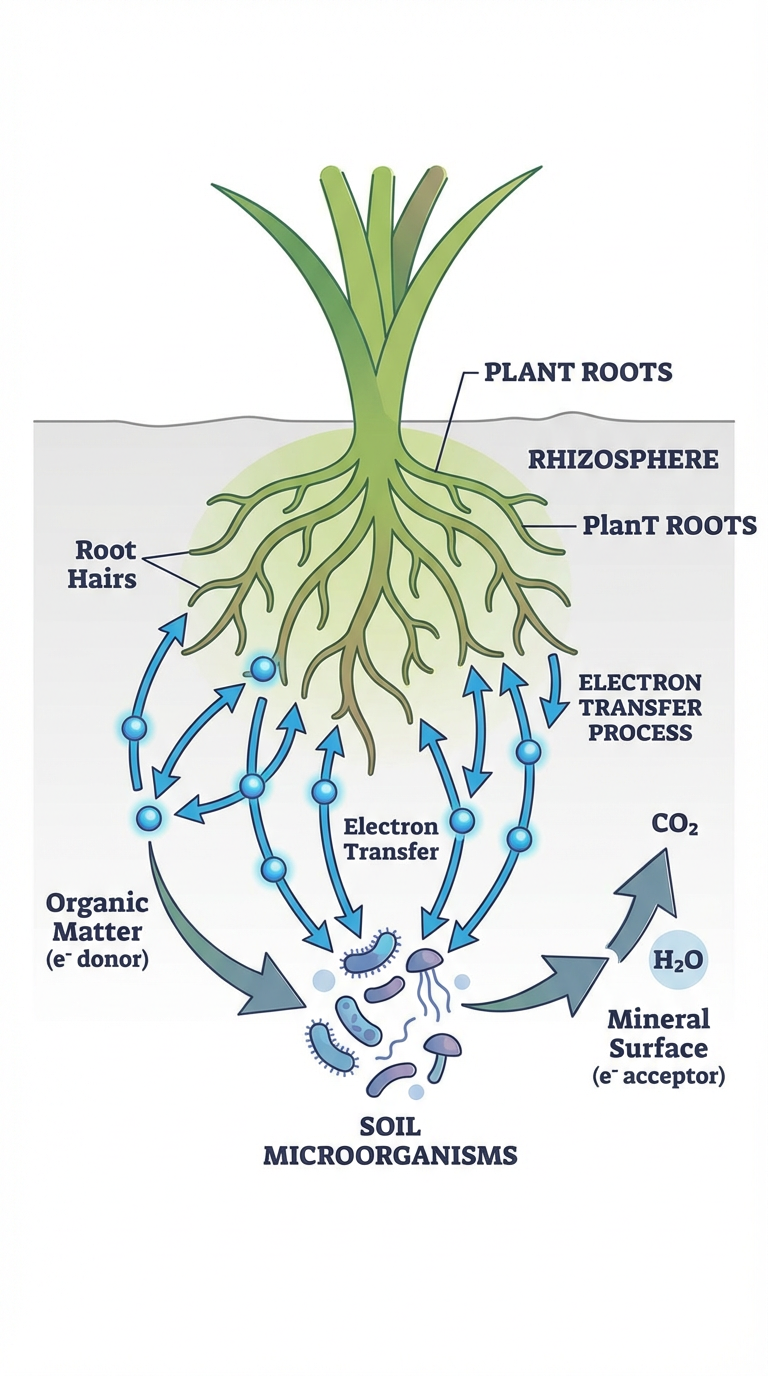
The Circuit Completion: The electrons travel from the anode through an external circuit—the load—where they perform useful work (i.e., power a sensor, a light, or a small device). They then arrive at the cathode, which is typically placed closer to the soil surface or in an oxygen-rich environment. Here, the electrons combine with protons (which travel through the soil from the anode) and oxygen to form water, completing the circuit and sustaining the reaction.
The entire process is a closed-loop, self-sustaining cycle powered by the sun and mediated by the plant and its microbial partners. It is a system that generates electricity continuously, day and night, as long as the plant is alive and the microbial community is active. This is the key to its disruptive potential: it offers a stable, baseload-capable renewable energy source, something that has long been the Achilles’ heel of solar and wind power.
Part II: The Economics of the Subterranean Grid
The true measure of any energy technology is not just its scientific novelty but its economic and environmental viability. On both counts, Pisphere’s Underground Energy Harvesting presents a compelling case for a fundamental shift in infrastructure planning.
Cost-Effectiveness and Maintenance: One of the most significant advantages of the Plant-MFC is its remarkably low operational cost. Unlike complex mechanical systems or fragile solar panels, the Pisphere device is robust and largely self-sustaining once installed. The instructions note a maintenance cost of only $10-15 USD per year. This is a fraction of the estimated annual maintenance for comparable small-scale solar ($20-30) or wind ($40-60) installations. The simplicity of the system—no moving parts, no reliance on external fuel delivery—translates directly into long-term economic stability.
Space and Aesthetics: In an increasingly urbanized world, space is a premium, and visual pollution is a growing concern. UEH is inherently space-efficient. The technology is entirely embedded or buried beneath the soil, making it invisible and non-intrusive. This is a game-changer for applications in public parks, urban farms, and architectural landscaping where aesthetics are paramount. A 10m² patch of grass or a planter box can become a power station without anyone knowing it’s there.
Energy Output and Density: While the power output of a single Plant-MFC unit is modest, the scalability and density are impressive. The system is capable of producing 250-280 kWh per 10m² annually. This is not meant to power a skyscraper, but it is perfectly suited for the distributed, low-power needs of the modern Internet of Things (IoT) infrastructure. Imagine a city where every tree, every patch of green space, is contributing to the power grid, silently fueling street sensors, low-power LED lighting, and environmental monitoring systems. This distributed generation model enhances grid resilience and reduces the need for long-distance power transmission.
The Carbon Neutral Promise: Perhaps the most profound economic benefit is the environmental one. Pisphere’s technology is explicitly designed to be zero waste and carbon neutral. The fuel source is atmospheric CO2 captured by the plant through photosynthesis. The process of energy generation releases no harmful byproducts; the final products are simply water and a small amount of CO2, which is immediately re-absorbed by the plant. This creates a truly circular, sustainable energy economy that actively contributes to carbon sequestration by promoting plant life.
| Feature | Pisphere Plant-MFC (UEH) | Solar PV (Small Scale) | Wind Turbine (Small Scale) |
|---|---|---|---|
| Fuel Source | Root Exudates (Plant-derived) | Sunlight | Wind Speed |
| Operation | 24/7 (Day and Night) | Intermittent (Daytime Only) | Intermittent (Wind Dependent) |
| Visual Impact | Zero (Buried/Embedded) | High (Panels/Mounts) | High (Tower/Blades) |
| Maintenance Cost (Annual Est.) | $10 – $15 USD | $20 – $30 USD | $40 – $60 USD |
| Environmental Footprint | Zero Waste, Carbon Neutral | Manufacturing Waste, Land Use | Noise, Bird Impact |
| Scalability | Distributed, Modular (10m² units) | Centralized or Rooftop | Site-Specific (High Wind) |

Part III: The Quiet Infrastructure: Applications and the Future
The practical applications of Underground Energy Harvesting are as diverse as the plant life it utilizes. Pisphere is targeting several key markets where low-power, reliable, and sustainable energy is a critical need.
Smart Agriculture and IoT: The most immediate and impactful application is in smart agriculture. Modern farming relies on a dense network of sensors to monitor soil moisture, pH, nutrient levels, and temperature. Powering these sensors wirelessly and reliably has been a persistent challenge. Batteries require constant replacement, creating e-waste and high labor costs. Solar panels are bulky, prone to theft, and only work during the day. Pisphere’s Plant-MFC provides the perfect solution: a continuous, buried power source that can run a sensor indefinitely. This enables truly autonomous, data-driven farming, leading to higher yields and reduced resource consumption. The ability to power sensors in remote, off-grid locations is transformative for global food security.
Public Infrastructure and Smart Cities: Imagine a city where the green spaces are not just aesthetic but functional power hubs. UEH can power low-voltage public infrastructure:
- Park Lighting: Low-power LED pathway lights that draw energy directly from the surrounding trees and shrubs.
- Environmental Monitoring: Air quality sensors, noise monitors, and traffic counters embedded in planters and roadside greenery.
- Remote Telemetry: Powering small communication relays in areas where running traditional power lines is prohibitively expensive or disruptive.
The concept of the Bio-Hybrid City emerges—a metropolis where the built environment and the natural environment are seamlessly integrated, with the latter actively contributing to the former’s energy needs.
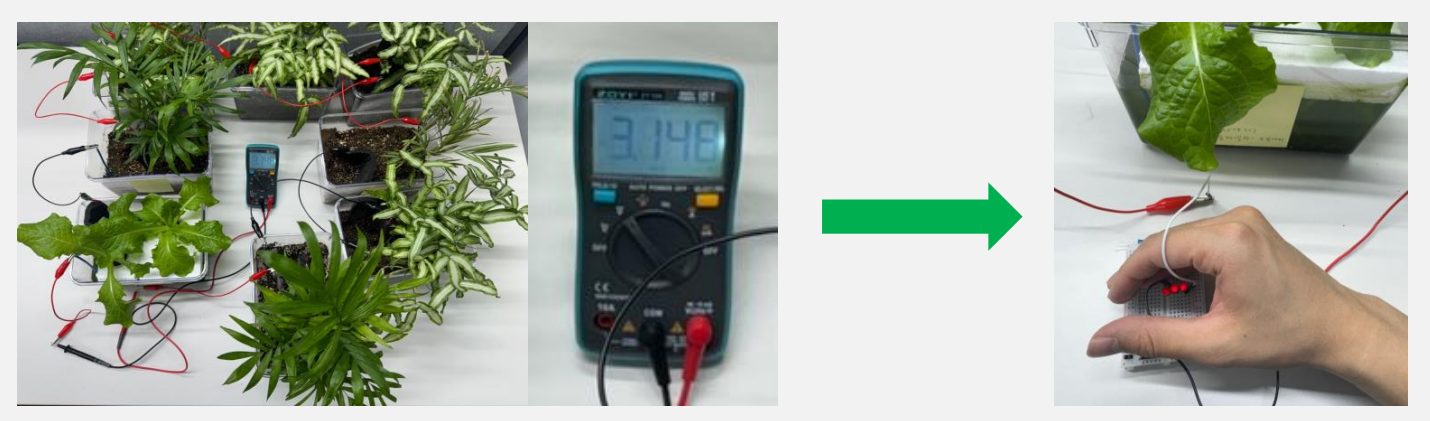
Educational Empowerment: Pisphere is also making its technology accessible to the next generation through educational kits. These kits allow students to build their own Plant-MFCs, connecting a small plant to a meter and watching the electricity flow. This hands-on experience demystifies renewable energy and teaches the profound connection between biology and engineering. It shifts the perception of a plant from a passive decoration to an active, living component of a sustainable future.
The Visionary Horizon: Looking further out, the potential of UEH is staggering. It is not about replacing massive power plants, but about creating a pervasive, decentralized energy fabric. Consider vertical farms and urban agriculture initiatives. By integrating Plant-MFCs into the growing medium, these systems could become partially or fully self-powering, reducing their reliance on the external grid and dramatically improving their sustainability profile. The ultimate vision is a world where energy is harvested not from the Earth, but with the Earth, in a continuous, gentle, and regenerative cycle.
Part IV: The Philosophical Shift: Partnering with the Planet
The most compelling aspect of Underground Energy Harvesting is the philosophical shift it represents. For centuries, our energy quest has been defined by extraction and combustion—a process of taking a finite resource and converting it into power, often with destructive consequences. UEH, by contrast, is an act of co-creation.
It forces us to reconsider the value of the living world. A plant is no longer just a source of food or oxygen; it is a critical piece of infrastructure. The health of the plant and the vitality of the soil microbiome are directly linked to the power output. This creates a powerful incentive for environmental stewardship. To maximize energy, we must maximize ecological health. The technology becomes a feedback loop, rewarding us for nurturing the natural world.
This technology is a testament to the power of biomimicry—learning from and imitating nature’s processes. Nature does not waste energy; it constantly recycles and reuses. Pisphere has simply found a way to plug into this ancient, efficient system. The energy we harvest is the overflow, the excess that the plant uses to maintain its microbial partners. We are not depleting a resource; we are participating in a biological surplus.
The challenge now is one of scale and adoption. As with any disruptive technology, there will be skepticism and inertia from established energy sectors. However, the unique combination of 24/7 reliability, low maintenance, zero visual impact, and carbon neutrality makes UEH an inevitable component of the future energy mix. It is the missing piece for the decentralized, resilient, and green grid that the world desperately needs.
The journey from a lab experiment at Seoul National University to a global infrastructure solution is a long one, but the foundation is solid. The science is sound, the economics are compelling, and the environmental case is unassailable.
Conclusion: The Quiet Power of Co-Creation
We have spent millennia searching for power in the dramatic—in the roar of a waterfall, the heat of a fire, the fury of the wind. Pisphere invites us to find power in the quiet, in the silent, persistent work of a root system and its microbial allies.
Underground Energy Harvesting is more than a technological breakthrough; it is a cultural one. It is a reminder that the solutions to our most pressing problems often lie not in conquering nature, but in collaborating with it. The hidden power of plants is now being unlocked, not with a shovel or a drill, but with a gentle, symbiotic connection. As we bury these silent power cells beneath the soil, we are not just installing infrastructure; we are planting the seeds of a truly sustainable future, one electron at a time. The Earth is ready to power us, and all we have to do is listen to the quiet hum beneath the ground.
